GHS Labels
Showing all 11 results
-
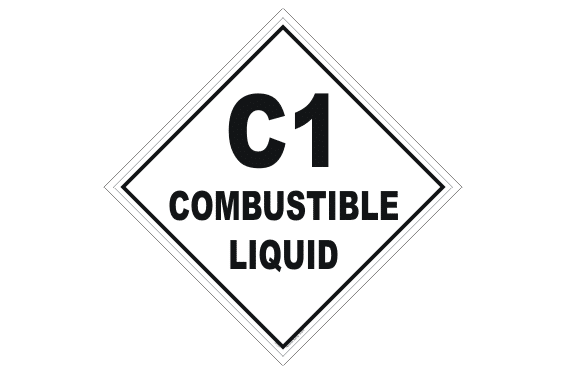
Class 1 Combustible Liquid Placard IL2719
From: $4.50 Add to cart or quote This product has multiple variants. The options may be chosen on the product page -
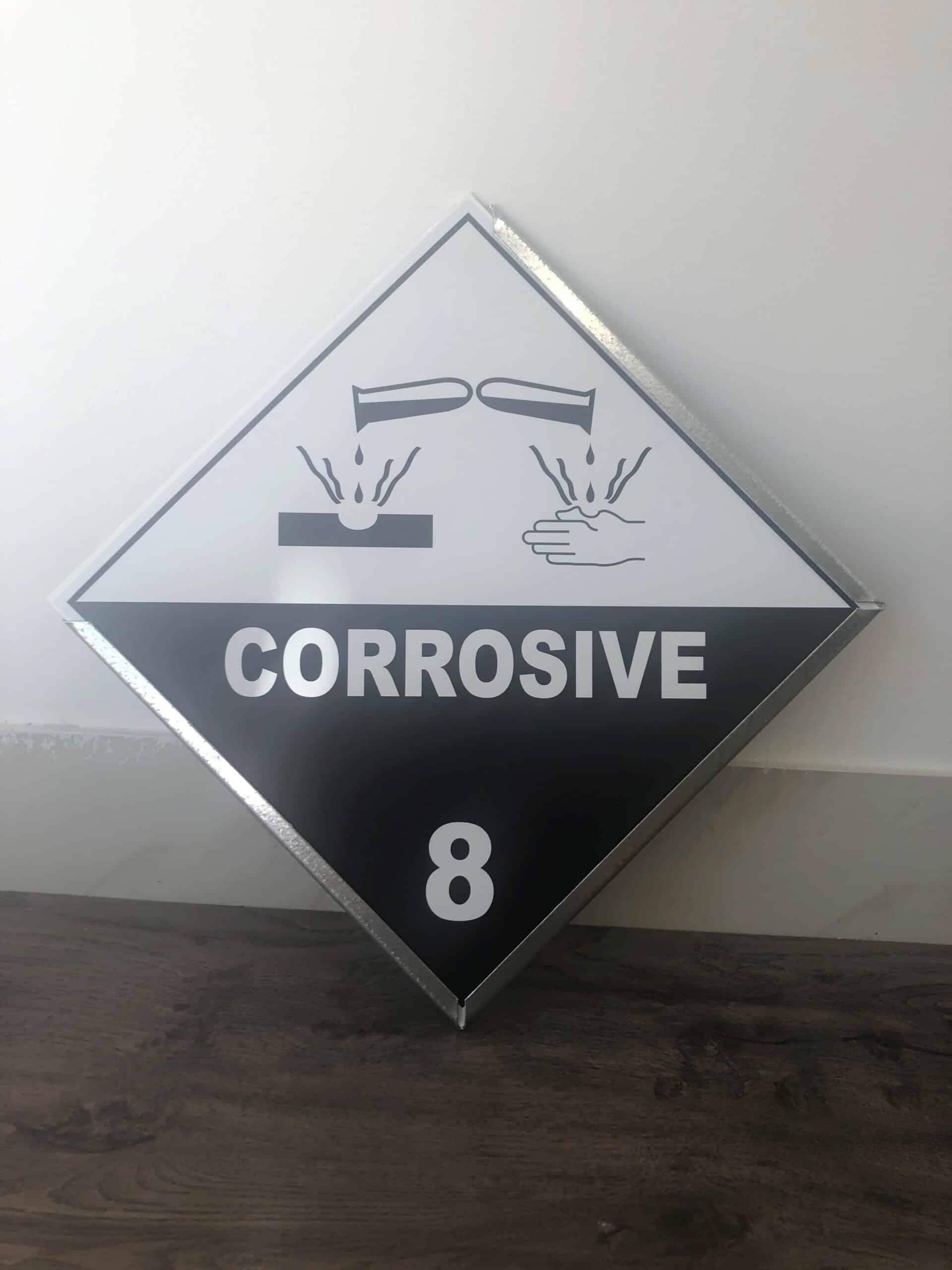
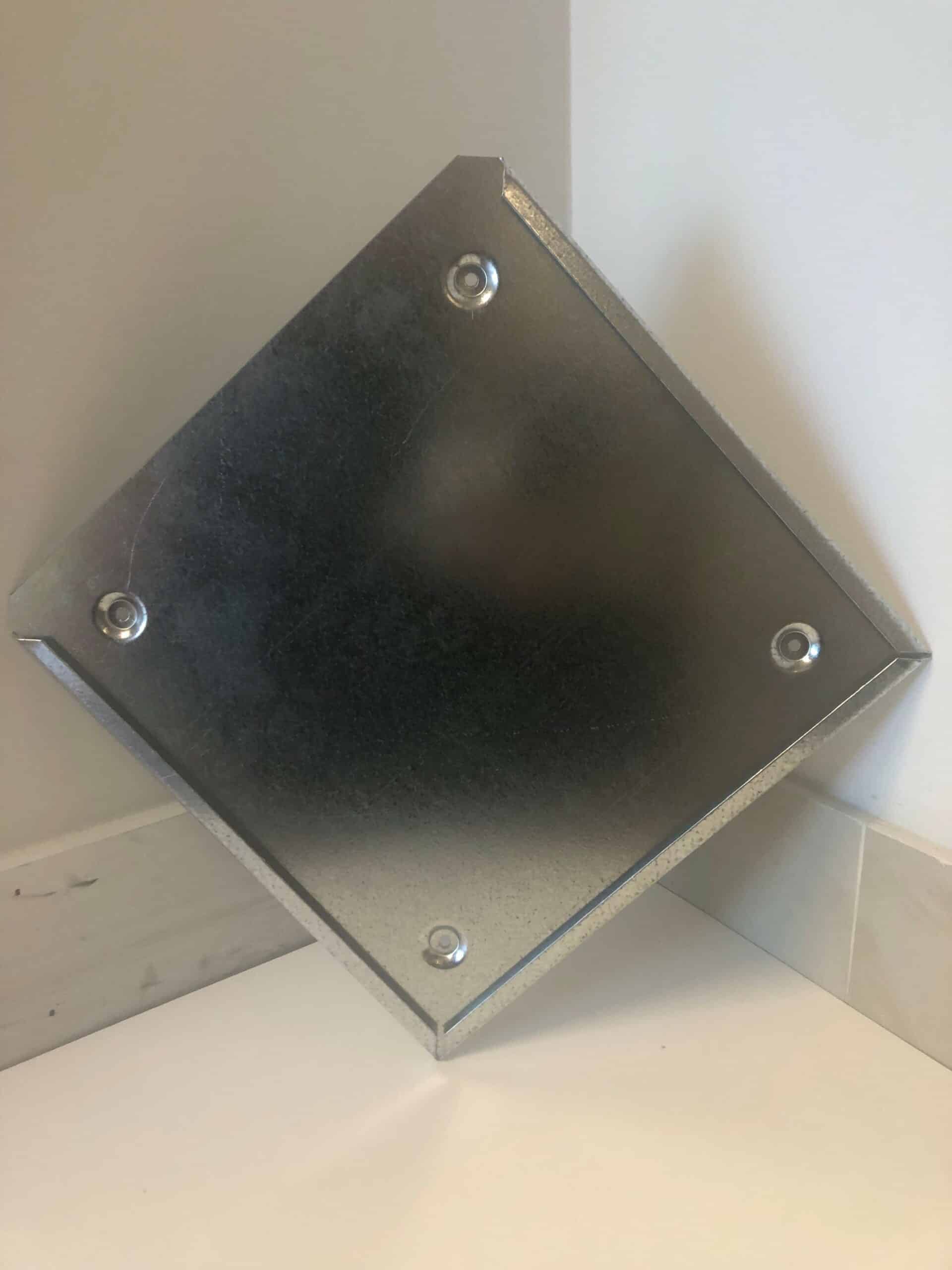
Diamond Placard holder T2745
From: $31.25 Add to cart or quote This product has multiple variants. The options may be chosen on the product page -
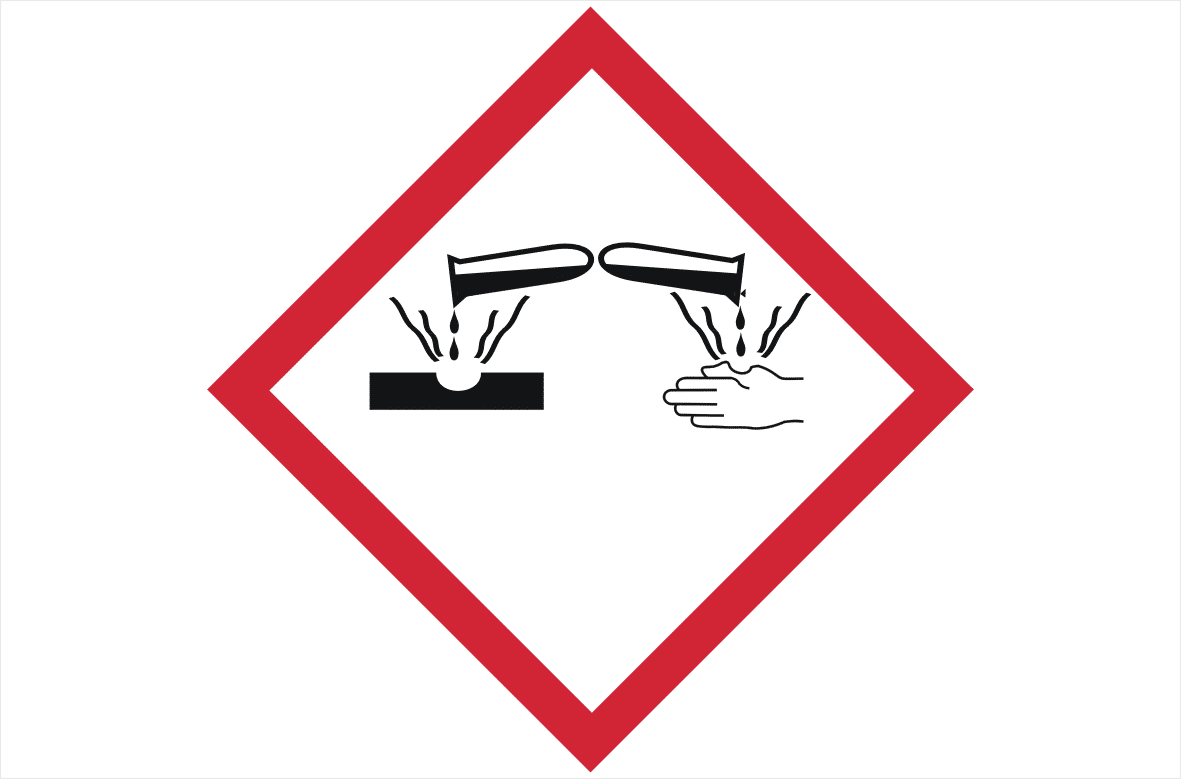
GHS05 Corrosive Label IL2718
From: $4.20 Add to cart or quote This product has multiple variants. The options may be chosen on the product page -
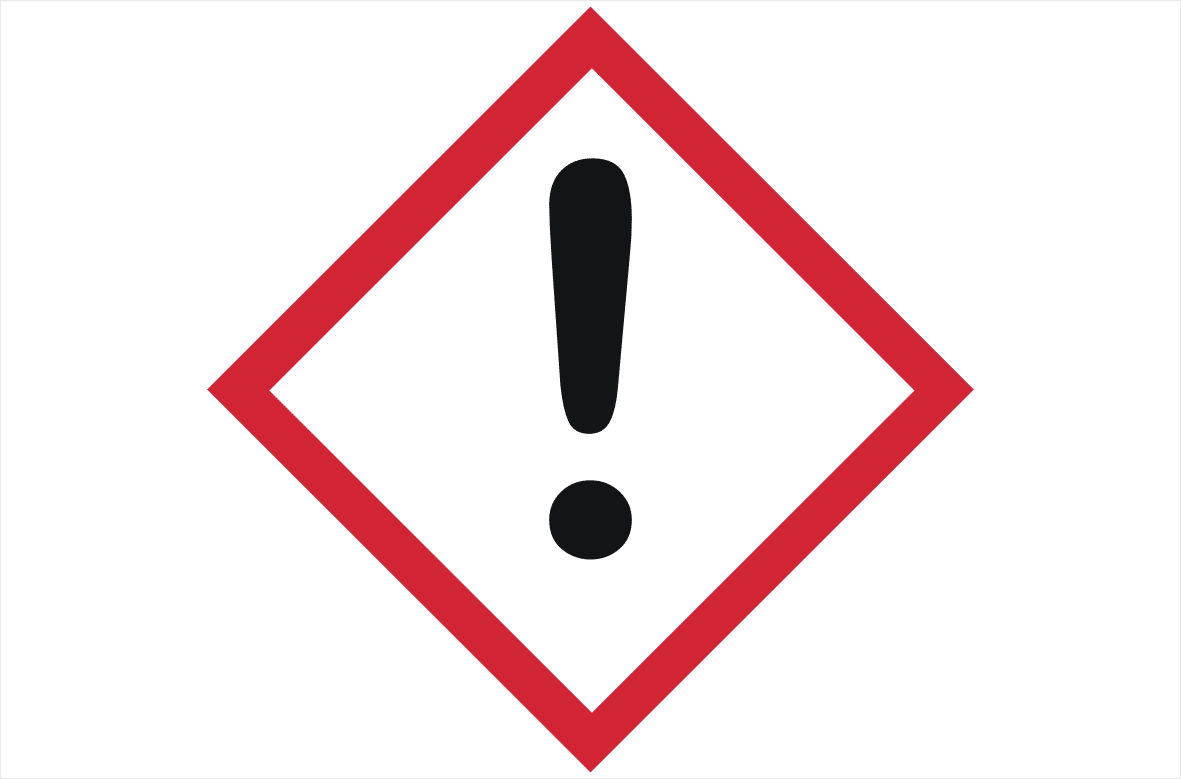
GHS07 Acute Toxicity Label IL2717
From: $4.20 Add to cart or quote This product has multiple variants. The options may be chosen on the product page -
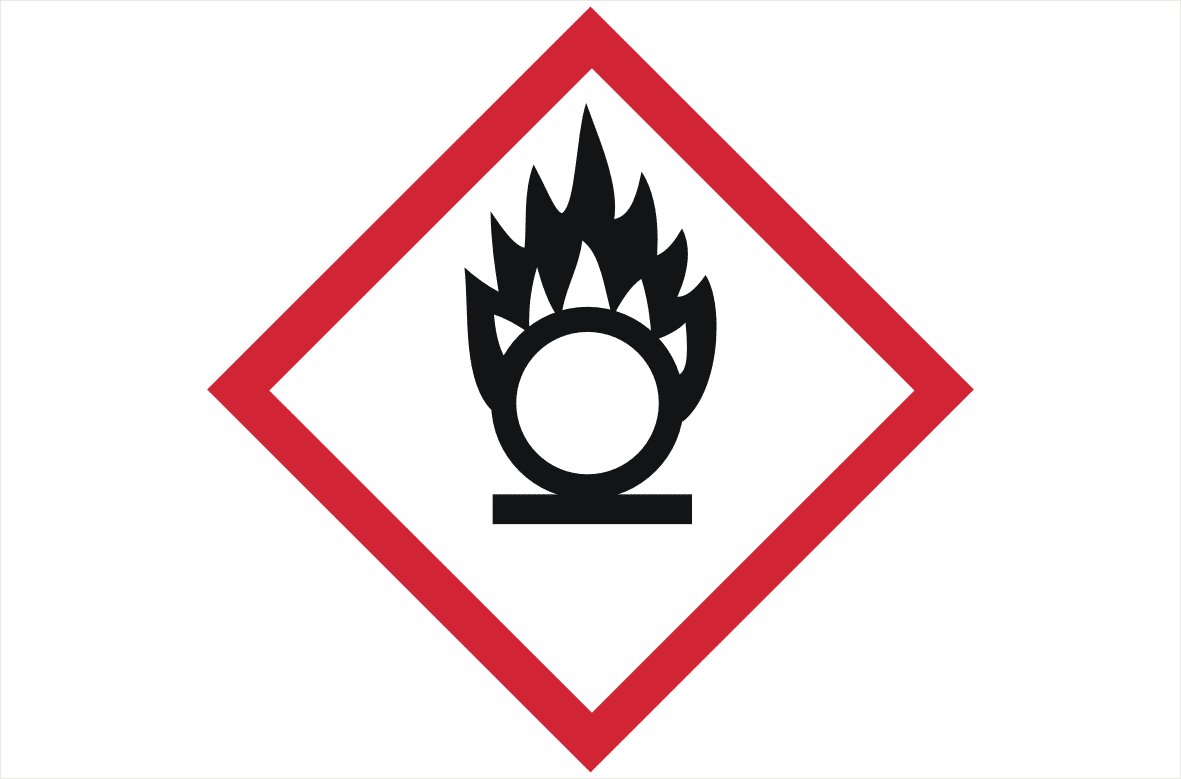
GHS03 Oxidising Label IL2714
From: $4.20 Add to cart or quote This product has multiple variants. The options may be chosen on the product page -
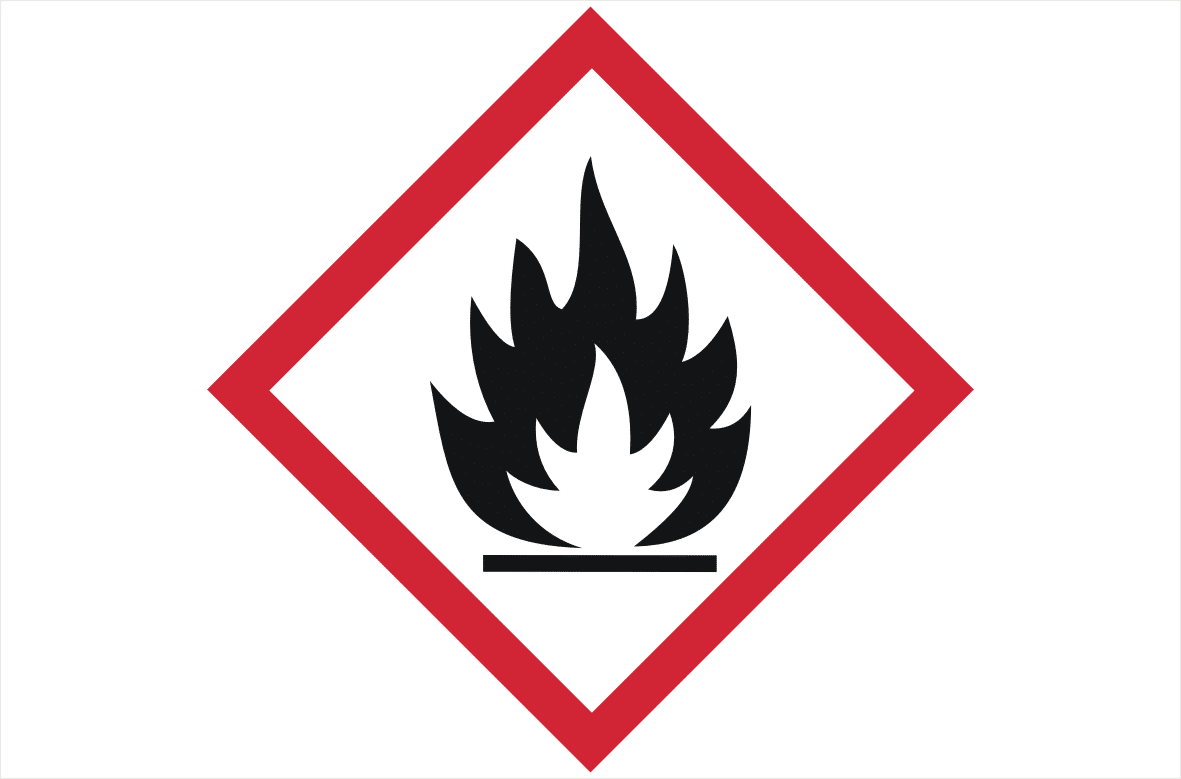
GHS02 Flammable Label IL2713
From: $4.50 Add to cart or quote This product has multiple variants. The options may be chosen on the product page -
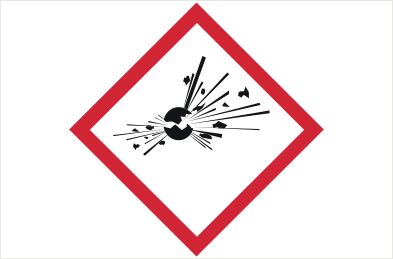
GHS01 Explosives Label IL2712
From: $4.50 Add to cart or quote This product has multiple variants. The options may be chosen on the product page -
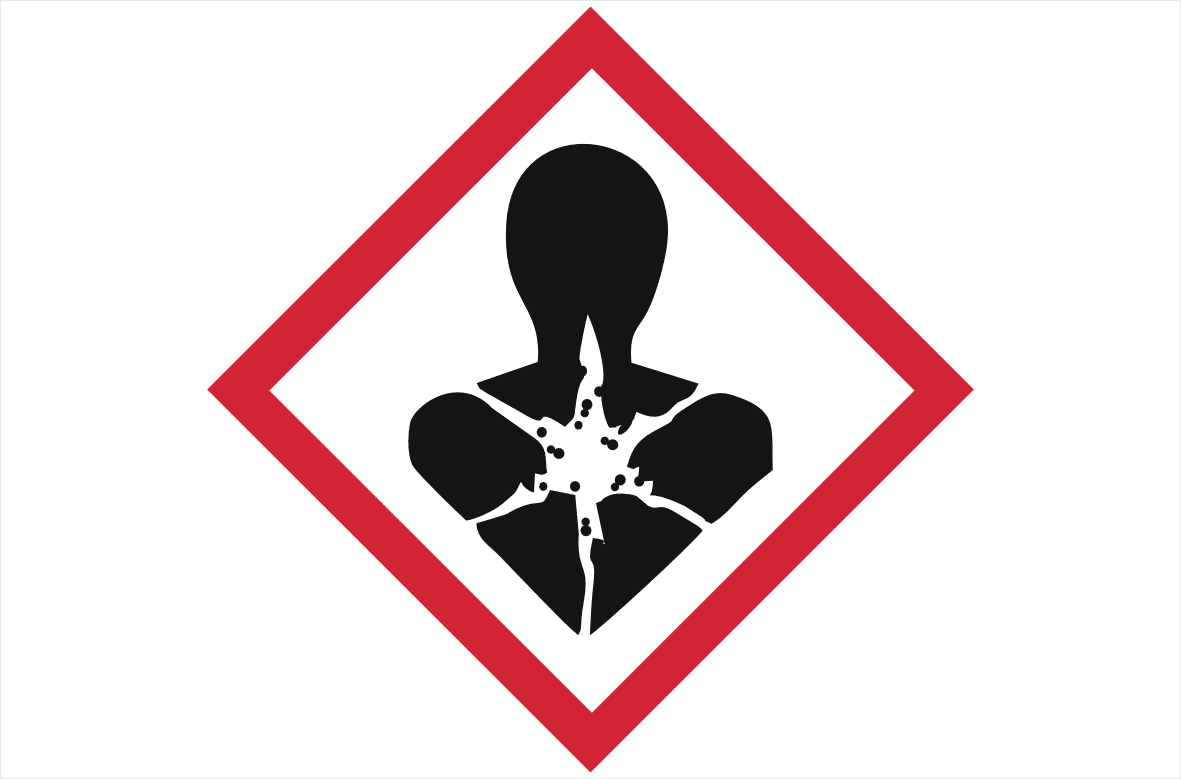
GHS08 Health Hazard Label IL2710
From: $4.20 Add to cart or quote This product has multiple variants. The options may be chosen on the product page -
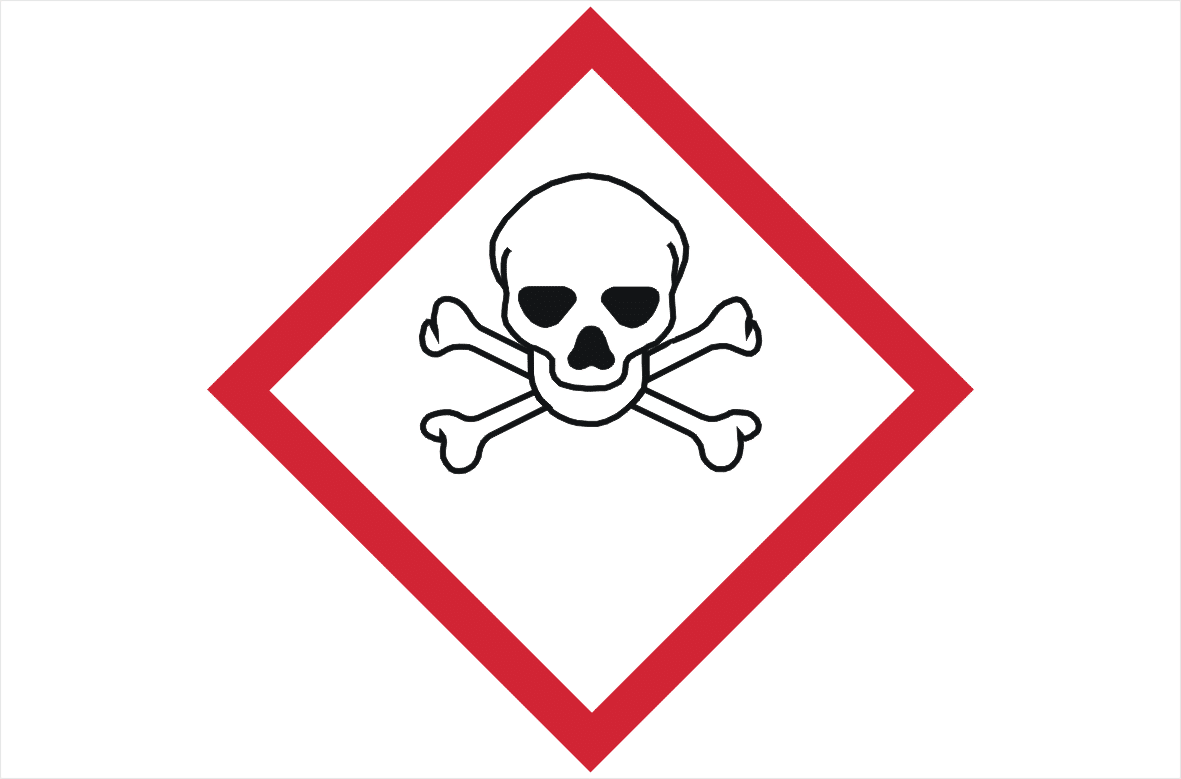
GHS06 Acute Toxicity Label IL2711
From: $4.20 Add to cart or quote This product has multiple variants. The options may be chosen on the product page -
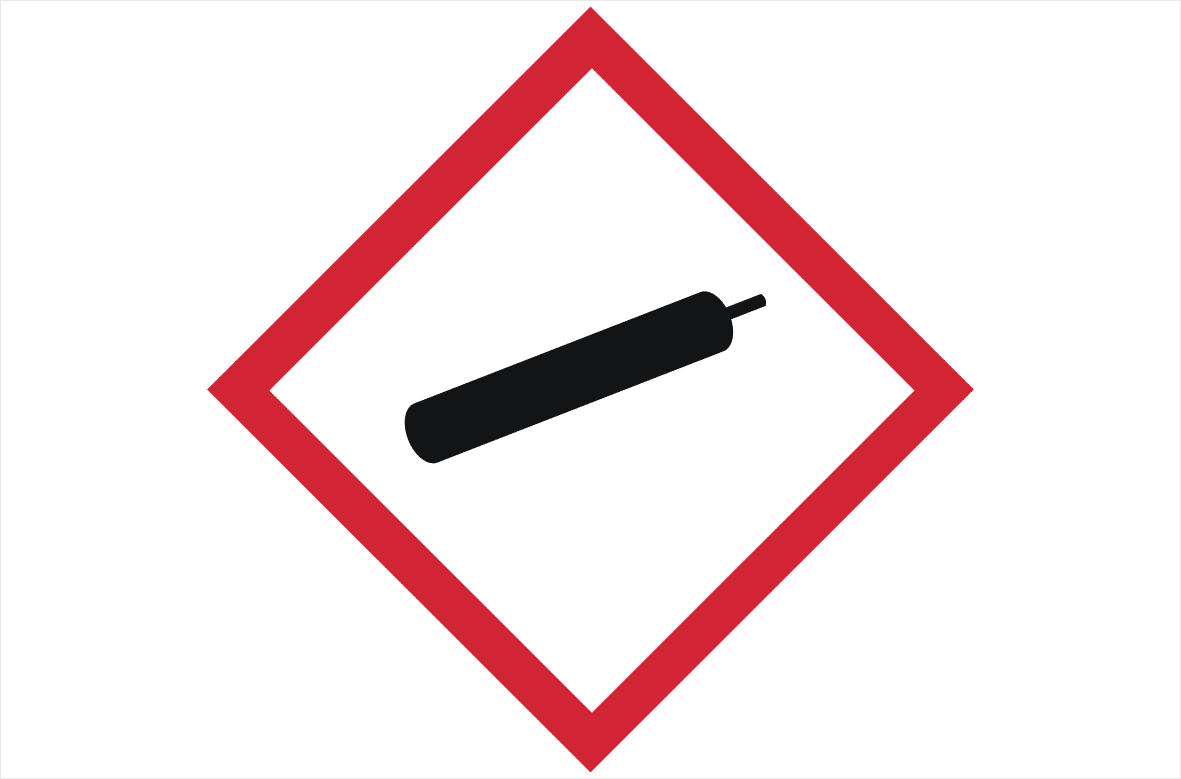
GHS04 Compressed Gases Label IL2716
From: $4.50 Add to cart or quote This product has multiple variants. The options may be chosen on the product page -
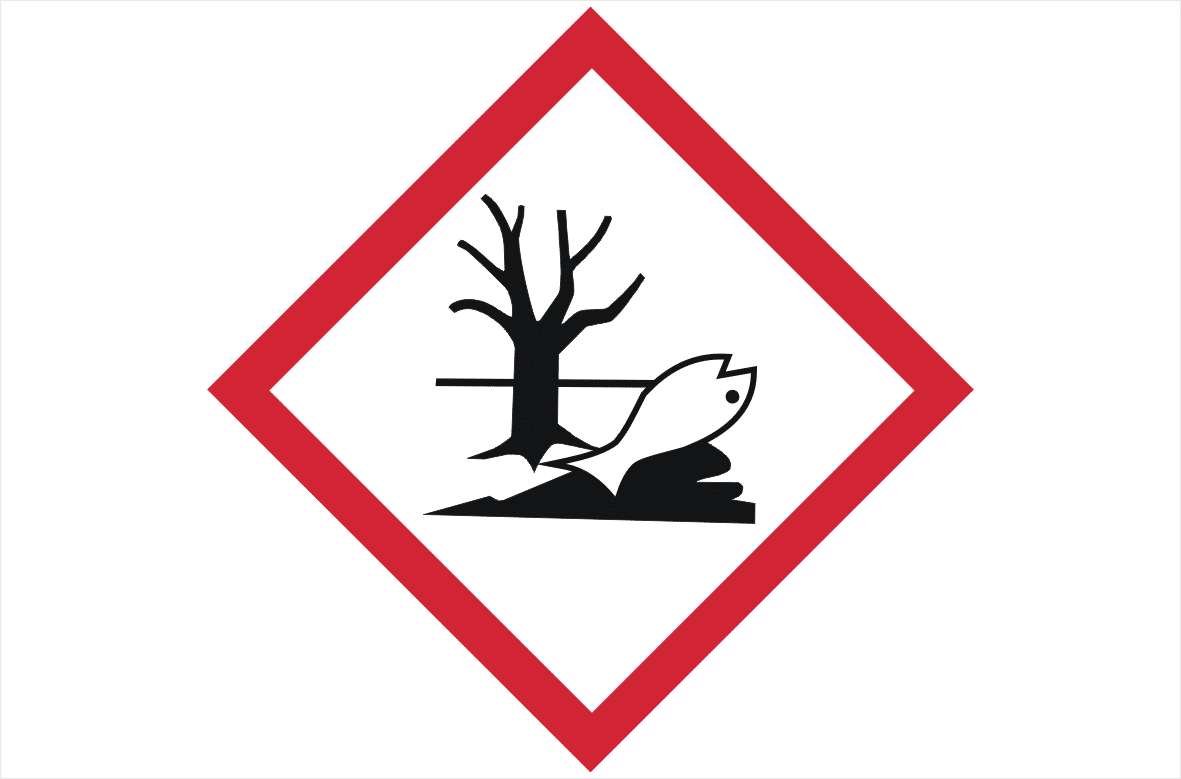
GHS09 Environment Label IL2715
From: $4.20 Add to cart or quote This product has multiple variants. The options may be chosen on the product page
GHS Labels
Globally Harmonised System Chemical Signs
Ensure chemical safety in your workplace with National Safety Signs’ compliant GHS Labels. Our durable, easy-to-read labels help you meet your obligations under the Globally Harmonised System (GHS) for the classification and labelling of chemicals. Designed for Australian workplaces, our labels meet Safe Work Australia regulations and are trusted across all states and territories, including NSW, QLD, VIC, SA, WA, NT, ACT, and TAS.
Whether you’re storing, handling, or transporting hazardous substances, our GHS labels clearly identify chemical hazards with the correct pictogram and signal word. From flammable liquids to toxic substances, we provide GHS-compliant solutions to keep your team safe and your workplace legally protected.
🔎 What is the GHS?
The Globally Harmonised System (GHS) is an international standard for the classification and communication of chemical hazards. Introduced by the United Nations, it ensures consistent labelling practices for hazardous chemicals across the globe.
In Australia, GHS compliance is mandatory under the Model Work Health and Safety (WHS) laws, adopted in all states and territories except Victoria (which follows similar principles under its own regulations).
⚠️ The 9 GHS Hazard Classifications
Explosives
💥 Pictogram: Exploding bomb
Use for: Unstable explosives, self-reactive substances
Flammable
🔥 Pictogram: Flame
Use for: Flammable gases, aerosols, liquids, solids
Oxidising Agents
🔥⭕ Pictogram: Flame over circle
Use for: Oxidising liquids and solids
Gases Under Pressure
🧯 Pictogram: Gas cylinder
Use for: Compressed, liquefied, dissolved gases
Corrosive Substances
⚗️ Pictogram: Corrosion
Use for: Skin corrosion/burns, eye damage, metal corrosion
Toxic (Acute Toxicity)
☠️ Pictogram: Skull and crossbones
Use for: Substances that are fatal or toxic if inhaled, ingested, or absorbed
Health Hazards
🫁 Pictogram: Health hazard
Use for: Carcinogenic, mutagenic, reproductive toxins
Irritants and Less Severe Hazards
❗ Pictogram: Exclamation mark
Use for: Skin irritation, eye irritation, respiratory issues
Environmental Hazards (Optional under WHS)
🌊 Pictogram: Environment (dead fish and tree)
Use for: Substances hazardous to aquatic life
Note: Environmental hazard labelling is optional in Australia but recommended for global trade compliance.
🛡️ GHS Compliance in Australian States and Territories
Under Safe Work Australia’s Model WHS Regulations, GHS labelling is a requirement for all hazardous chemicals in the workplace.
QLD, NSW, SA, TAS, NT, ACT, and WA: GHS 7 now enforced as of 2023
VIC: Continues to follow the Occupational Health and Safety Regulations 2017 with similar chemical labelling requirements
Failing to comply with GHS labelling standards may result in penalties, injuries, or chemical exposure risks.
🧷 Why Choose National Safety Signs?
Durable material options
UV and chemical resistant
Custom GHS label printing available
Fast turnaround and Australia-wide delivery
Compliant with Safe Work Australia