

Images and designs are protected by copyright.
© National Safety Signs
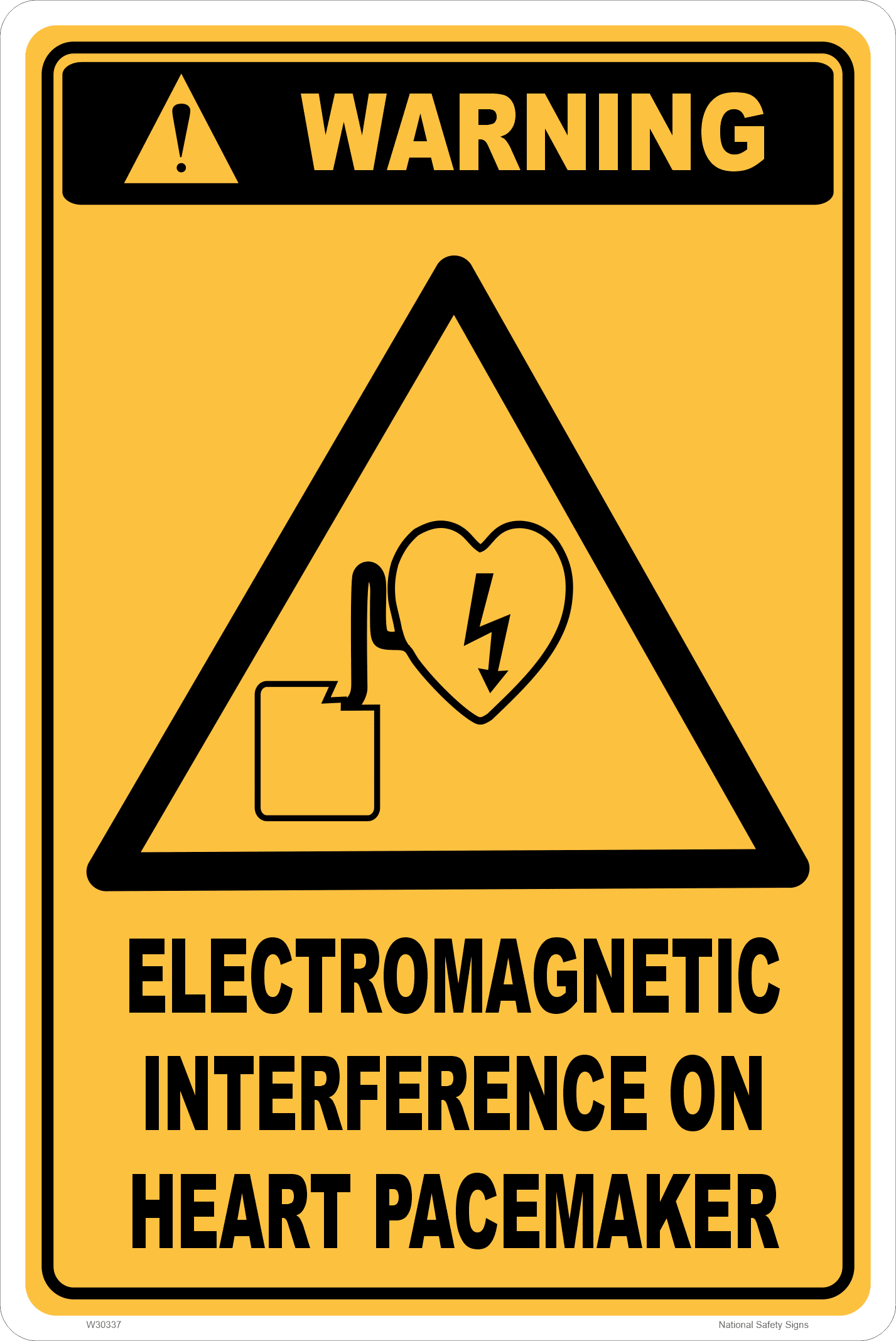
Electromagnetic interference Warning sign W30337
From: $10.29
Magnetic Field can interfere with Pacemakers Warning sign. Choose from drop down menus for material and size.
Electromagnetic fields (EMFs) can impact pacemakers, electronic devices regulating heartbeats. Strong EMFs from sources like MRI machines or electronics may cause interference, affecting the pacemaker’s function. Modern pacemakers have measures to reduce susceptibility, and medical facilities follow guidelines to minimize risks. Distance matters, and some pacemakers are MRI-compatible. Consult healthcare providers for advice on minimizing risks and safe practices. While risks exist, precautions and advancements have lessened interference potential.
Description
Electromagnetic interference Warning signs
Electromagnetic fields (EMFs) can potentially interfere with the proper functioning of pacemakers and other medical devices. Pacemakers are electronic devices that help regulate a person’s heartbeat, and they can be sensitive to external electromagnetic interference. The effects of electromagnetic fields on pacemakers can range from no impact to serious malfunction, depending on various factors including the strength of the field, the distance from the source, and the design of the pacemaker itself.
Here are some key points to consider regarding the effects of electromagnetic fields on pacemakers:
- Electromagnetic Interference (EMI): Strong electromagnetic fields, such as those generated by certain medical equipment (e.g., MRI machines), power lines, industrial equipment, and consumer electronics, have the potential to interfere with the proper functioning of a pacemaker. This interference is known as electromagnetic interference (EMI).
- Potential Risks: In some cases, EMI can cause a pacemaker to misinterpret signals or deliver inappropriate pacing, which could lead to potentially harmful effects on the patient’s heart rhythm.
- Distance Matters: The strength of the electromagnetic field decreases with distance from the source. Therefore, the closer a pacemaker wearer is to a strong EMF source, the higher the risk of interference.
- Shielding and Precautions: Hospitals and medical facilities are often equipped with guidelines and protocols to minimize the risks of EMF interference for patients with pacemakers. This can involve keeping patients a safe distance away from strong EMF sources, and certain areas may be equipped with shielding to reduce electromagnetic exposure.
- Pacemaker Design: Modern pacemakers are designed with various measures to reduce their susceptibility to electromagnetic interference. This includes shielding, filtering, and grounding to mitigate the impact of external EMFs.
- Consumer Electronics: Everyday consumer electronics such as cell phones, tablets, and laptops are generally not powerful enough to cause significant interference with pacemakers. However, it’s still recommended to use these devices at a safe distance, especially if the pacemaker user experiences any unusual symptoms while using them.
- MRI Compatibility: Some pacemakers are designed to be compatible with MRI (Magnetic Resonance Imaging) machines, which generate strong magnetic fields. MRI-compatible pacemakers are engineered to minimize interference and are usually safe for use in an MRI environment.
- Consulting Medical Professionals: If you have a pacemaker, it’s important to consult with your healthcare provider about potential risks and precautions related to electromagnetic fields. They can provide guidance on how to minimize risks and advise you on safe practices.
In summary, while the risk of electromagnetic interference with pacemakers exists, modern pacemaker designs and proper precautions have significantly reduced the potential for such interference. It’s crucial for pacemaker wearers to be aware of their device’s specifications, follow recommended guidelines, and consult their medical professionals to ensure their safety in various environments.
- Download
| Sign Materials Guide | |||||
| Material | Thickness | Outdoor Suitable | Outdoor Lifespan (Unlaminated) | Outdoor Lifespan (Protective Laminated) | Description |
| Aluminium | 1.6mm |
✓ |
2 – 5 Years | 5 – 10 Years | The Premium and most versatile material available. This material is ideal for resistance to corrosion and where strength is a necessity. Regulatory material for Road Signage, Parking Signs and best suited for most applications. Aluminium tolerances comply with AS 1734-1997 |
| Steel – Sign White | 0.55mm |
✓ |
2 – 5 Years | 5 – 10 Years | The is a Colourbond product specifically manufactured for the signage industry. Pre-painted white one sided steel. Most commonly used for signs fixed to concrete walls or existing Colourbond fences. |
| Polypropylene | 1.4mm |
✓ |
1 – 2 Years | 3 – 5 Years | White plastic sheet which is 100% recyclable. Lightweight material best suited for medium term safety signs. Semi rigid material that is UV stable and longer term option than Corflute. |
| Corflute | 5mm |
✓ |
6 – 12 Months | 1 – 3 Years | Most common short term safety sign material (900gsm weight). Corflute is a twin wall polypropylene commonly named flute board. Due to the flute nature of the material. Most commonly used for construction sites. |
| Corflute | 6mm |
✓ |
3 Years | 3 – 5 Years | This material is only used in conjunction with Class 1 Reflective for temporary traffic control signage such and Multi Message Signage (1200gsm Weight). Slightly heavier material for the longer lifespan required on temporary traffic control. |
| Vinyl Sticker | 0.1mm |
✓ |
3 – 5 Years | 5 – 7 Years | This is a quality Heavy Duty Polymeric vinyl fabric and has a long outdoor life. It is highly tear resistant and suitable for indoor and outdoor conditions. The glue is a permanent adhesive, but can be removed easily with the help of a heat gun. |
| Stainless Steel | 0.55mm |
✓ |
3 – 5 Years | 5 – 10 years | The Premium Stainless Steel available in a variety of thicknesses and grades. This material is ideal for resistance to corrosion and where strength is a necessity. Our common grade is Stainless Steel 316 Grade. Built for the harshest Marine Environments. |
| Magnetic Sign | 0.9mm |
✓ |
1 – 3 Years | 3 – 10 Years | A strong and effective hold on most magnetic surfaces, Magnetic signs are great for your car door, or Hazchem or similar surfaces |
| ACM / Aluminium Composite Material | 3mm |
✓ |
1 – 3 Years | 3 – 10 Years | ACM or Aluminium Composite Material consists of two aluminium sheets bonded to a central core generally a Polyethylene material. It comes in a range of colours and styles. Generally a lightweight sign material widely used by signwriters. |
| Brushed ACM / Aluminium Composite Material | 3mm |
✓ |
1 – 3 Years | 3 – 7 Years | ACM or Aluminium Composite Material consists of two aluminium sheets bonded to a central core generally a Polyethylene material. This has a distinctive Brushed Metal texture on one side, created by treating the surface with fine lines that reduce reflectivity while maintaining a metallic effect. Ideally used on doors for toilets/offices etc. |
| Acrylic | 3mm |
✓ |
1 – 10 Years | N/A | Acrylic is also know as Perspex comes in a range of colours and thicknesses and finishes. Lightweight and strong characteristics. Used in a range of signs from door, toilet, exit and Braille. Acrylic Braille signs should only used indoor due to UV Printing characteristics. |
| Rigid PVC | 3mm |
✓ |
3 – 5 Years | 5 – 7 Years | Rigid PVC, or Polyvinyl Chloride is a rigid material valued for its durability and chemical resistance. Generally used for Emergency Information Panels (EIP’s) and sometimes used in some Councils for Street Blades. |
| Anodised Aluminium | 1mm |
✓ |
6 to 24 Months | N/A | Anodised Aluminium is a Raw material that has undergone electrochemical treatment to create a ingrained layer on the raw sheet. It is a very trendy material but can be problematic to print on. UV Printing is suitable for indoor use. Outdoor use needs a cut letter vinyl to be UV stable over a long period. Best suited for indoor braille and wayfinding signage. Available in multiple thicknesses. |
| Injection Moulded Plastic |
✓ |
10+ Years | N/A | This material is only used for our braille signage. As it indicates is a molten plastic injected in a cast to make a extremely versatile sign. The sign cant be vandalised and or have the raised aspect of the sign picked off. | |
| Porta Sign |
✓ |
2 – 5 Years | 5+ Years | Porta board signs or Portable safety signs are a handy option sign to warn of a Danger or something to look for. Heavyweight plastic for longer life and greater stability and they have a Hinge limiter to ensure legs open to correct position. Easy to transport with their light weight | |
| Swing Stand Combos |
✓ |
3 – 5 Years | 5 – 7 Years | Aluminium sign bundled with a lightweight steel stand. Swing Stands are used for Danger, Warning, Safety advice and information. Commonly used in Traffic Control Signage. | |
| Protective Laminate |
✓ |
N/A | Protective Overlaminate is a clear film applied to the surface of signs to safeguard them from fading, scratches, water, dirt, and other environmental damage, extending their lifespan and readability. It can offer various benefits, including UV protection and assists in removal of graffiti. | ||
| Floor Lamination |
Best Suited Indoor |
N/A | 1 – 5 Years | A protective, clear, often textured film applied to printed vinyl graphics that go on floors. This specialized laminate makes the floor graphic more durable and slip-resistant, essential for high-traffic areas like retail stores and events, while protecting the print from scratches and fading, | |
| Cut Vinyl Lettering | 0.1mm |
✓ |
8 Years | N/A | Cut Vinyl is a product that can be used in multiple signage situations, Exit door sign, Fire Cabinet Signs, wayfinding signage. We use 3M 50 Series vinyl with a 8 year warranty. |
| One Way Vision Vinyl | 0.1mm |
✓ |
1-2 Years | 3 – 7 Years | Perforated one-way vision vinyl is a printable, self-adhesive window film featuring thousands of tiny, evenly spaced holes. It allows full-colour graphics to be displayed on the outside while maintaining clear visibility from the inside, often creating a tinted, “one-way” effect. The adhesive is designed to cleanly remove from glass with little to no adhesive residue. |
| Reflective Materials (Sign Face Materials) | Thickness | Outdoor Suitable | Outdoor Lifespan (Unlaminated) | Outdoor Lifespan (Protective Laminated) | Description |
| Class 1 Reflective (Temp) |
✓ |
3 – 5 Years | 5+ Years | Class 1 Temp signs are used for safety and traffic signage that requires high visibility 24/7, such as on Traffic Control, Box Edge Signs, and any Temp Roadwork signage. It’s the lowest grade of Class 1 (400) reflective material, designed to reflect light from many angles. Complies to AS1906-1-2017. | |
| Class 1 Reflective HIP CL400 |
✓ |
5+ Years | 10+ Years | Class 1 High Prismatic Reflective signs are used for safety and traffic signage that requires higher visibility 24/7, such as Regulatory Road Signs, critical safety signage. It’s the most common grade of Class 1 (400) reflective material, designed to reflect light from many angles. Must be accompanied with 3M overlaminate for compliance. Complies to AS1906-1-2017. | |
| Class 1 Reflective Diamond Grade CL1100 |
✓ |
N/A | 12+ Years | Class 1 (1100) signs are used for the most critical road signage especially formulated for highway signs and Stop, Give Way signs. It’s the highest grade of reflective material, designed to reflect light from many angles. It is a premium grade of reflective sheeting used. Complies to AS1906-1-2017. | |
| Class 2 Reflective |
✓ |
3 – 5 Years | 5 – 10 Years | Class 2 is used for signs requiring engineer-grade reflectivity for non-critical, off-road applications like car parks, shopping centres, and workplaces. Perfect Safety sign option for most applications, just slightly less reflectivity than Class 1 signs. | |
| Luminous (Glow In the Dark) |
Best Suited Indoor |
1 – 3 Years | 5+ Years | Luminous material (reactivates) when exposed to light and then illuminates in dark. Popular for evacuation, directional, safety and exit signage. Can last up to 10+ hours with at least 60 minutes exposure to ambient light for the first time and 10 minutes exposure after that. |
You may also like…
-
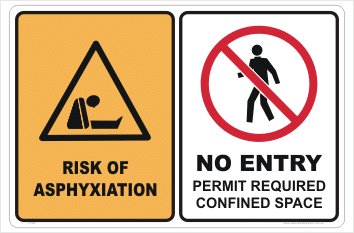
Asphyxiation sign C1980
From: $21.79 Add to cart or quote This product has multiple variants. The options may be chosen on the product page -
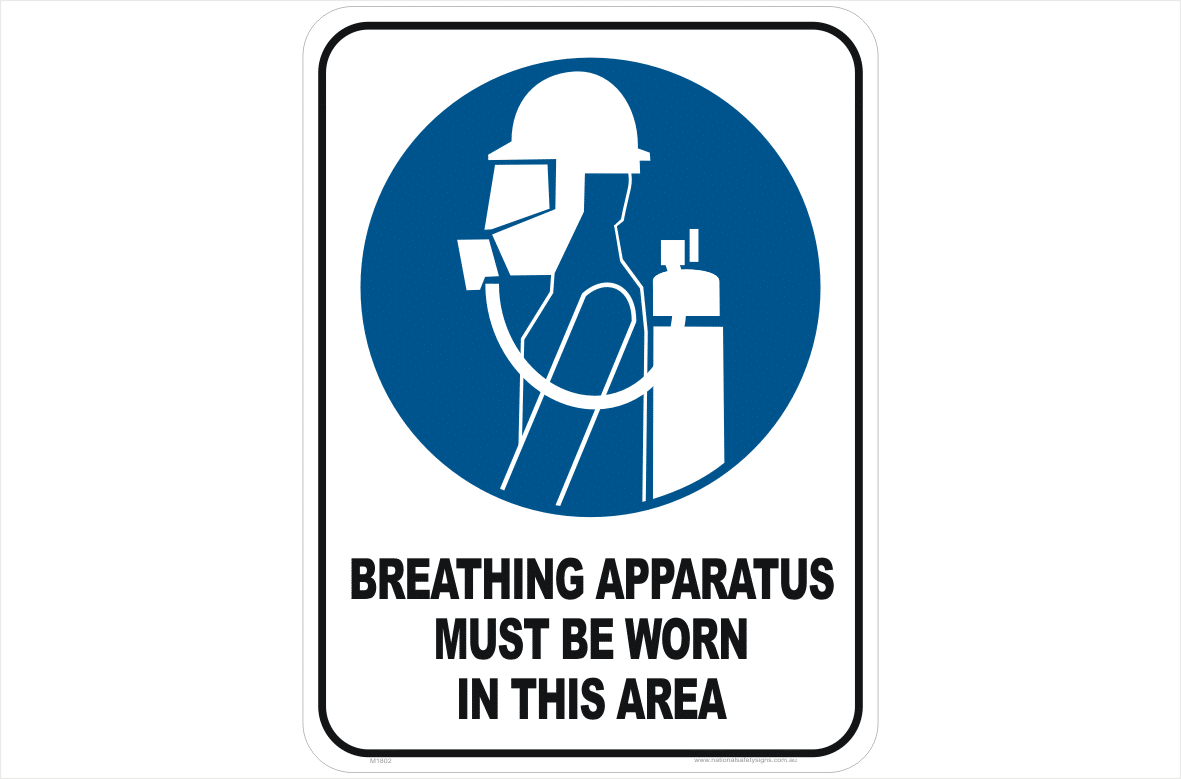
Breathing Apparatus Must be Worn M1802
From: $9.61 Add to cart or quote This product has multiple variants. The options may be chosen on the product page -
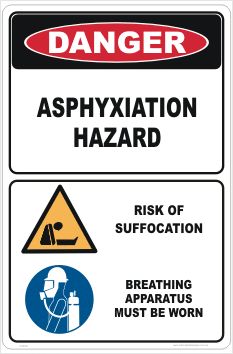
Asphyxiation Danger sign D10301
From: $9.61 Add to cart or quote This product has multiple variants. The options may be chosen on the product page -
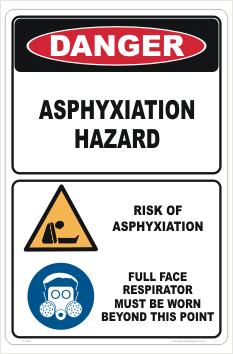
Asphyxiation Hazard sign D10300
From: $9.61 Add to cart or quote This product has multiple variants. The options may be chosen on the product page
Related products
-

Ebola Virus W30186
From: $9.61 Add to cart or quote This product has multiple variants. The options may be chosen on the product page -

Ebola Virus W30188
From: $9.61 Add to cart or quote This product has multiple variants. The options may be chosen on the product page -
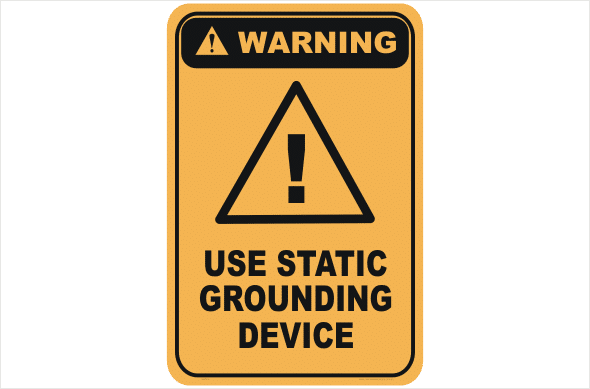
Use Static Grounding Device W3076
From: $9.61 Add to cart or quote This product has multiple variants. The options may be chosen on the product page -
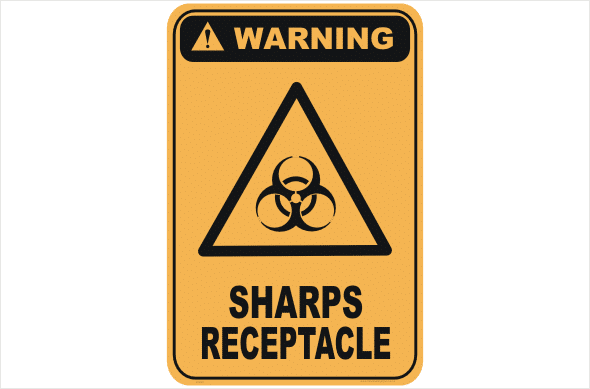
Sharps Receptacle W3042
From: $3.87 Add to cart or quote This product has multiple variants. The options may be chosen on the product page